Cryptosporidium & Giardia (Cysts)
Category: microbiological
Cryptosporidium and Giardia are microscopic protozoan parasites that form environmentally hardy cysts (technically oocysts in the case of Cryptosporidium). These cysts pass through standard chlorine disinfection used by most US municipal water systems, which is why physical filtration is the primary defense. They are the most common cause of waterborne disease outbreaks linked to drinking water in the United States.
EPA MCL
Not regulated
Status
EPA Regulated
NSF Standard
NSF/ANSI 53 (cyst reduction), NSF/ANSI 58
Health Effects
Gastrointestinal illness including severe diarrhea, stomach cramps, nausea, and dehydration. Cryptosporidium can be life-threatening for immunocompromised individuals. Both parasites form cysts that are resistant to chlorine disinfection.
Where It Comes From
Protozoan parasites found in human and animal fecal waste. Cysts are highly resistant to chlorine - a key reason why filtration is critical for surface water systems.
Where It's Commonly Found
Surface water supplies, agricultural areas with livestock runoff. Chlorine-resistant - outbreaks have occurred even in treated municipal systems (e.g., Milwaukee 1993 Cryptosporidium outbreak affecting 400,000+ people).
Regulated via treatment technique under the Surface Water Treatment Rules. All surface water systems must achieve 99.9% (3-log) removal of Giardia and 99% (2-log) removal of Cryptosporidium. Filters rated at 1 micron absolute or smaller effectively remove cysts.
How to Remove It
Effective Technologies
- mechanical filtration
- ceramic
- reverse osmosis
- UV
- distillation
Does NOT Remove It
- activated carbon
- ion exchange
- KDF
- water softener
What Are Cysts in Drinking Water?
In drinking water, the term "cyst" refers to the dormant, environmentally resistant life stage of certain protozoan parasites - most commonly Cryptosporidium and Giardia. The cyst's tough outer wall lets the parasite survive outside a host for weeks or months, including in cold surface water and in chlorinated municipal supplies.
Cryptosporidium oocysts measure roughly 4 to 6 micrometers across. Giardia cysts are larger, typically 8 to 19 micrometers in length. Both are far too small to see, but both are large enough to be physically blocked by a filter rated at 1 micron absolute or finer.
Cysts enter water supplies through fecal contamination - typically from human or animal waste reaching surface water through stormwater runoff, agricultural runoff, sewage overflows, or wildlife. Groundwater under the direct influence of surface water (GWUDI) can also carry them.
Why Chlorine Doesn't Kill Cryptosporidium and Giardia
The protective cyst wall makes both parasites unusually resistant to chemical disinfection. According to EPA research, Cryptosporidium oocysts are roughly 30 times more resistant to ozone and 14 times more resistant to chlorine dioxide than Giardia cysts under the same conditions - and Giardia is itself substantially harder to inactivate with standard chlorine than typical bacteria or viruses.
Standard free-chlorine residual maintained in US distribution systems (typically 0.2 to 4.0 mg/L) is not reliably effective against Cryptosporidium oocysts. This is the central reason the EPA's Surface Water Treatment Rules require physical removal (filtration) rather than relying on disinfection alone.
The 1993 Milwaukee outbreak demonstrated the consequence. An estimated 403,000 people developed cryptosporidiosis after a treatment plant's filtration performance degraded; 69 deaths were attributed to the outbreak, predominantly among people with HIV/AIDS, and the total cost of illness was approximately $96.2 million. Chlorine disinfection in the system was working as designed - it simply does not inactivate Cryptosporidium oocysts.
Cryptosporidium and Giardia Water Treatment Methods
Four point-of-use treatment methods are recognized by the CDC and NSF as effective against both Cryptosporidium and Giardia:
1. Mechanical or ceramic filtration rated at 1 micron absolute. Filters labeled "absolute 1 micron" or NSF/ANSI 53 certified for cyst reduction physically block cysts. Filters with only a "nominal" 1 micron rating are not reliable - they may pass a measurable fraction of particles at the rated size.
2. Reverse osmosis (RO). RO membranes have pore sizes around 0.0001 micrometers - far smaller than any cyst - so any properly maintained RO system removes them. Look for NSF/ANSI 58 certification.
3. Ultraviolet (UV) disinfection. UV light at sufficient dose damages the parasites' DNA so they cannot reproduce. UV is widely used for private well systems and is recognized by the EPA's Long Term 2 Enhanced Surface Water Treatment Rule (LT2ESWTR) as an approved Cryptosporidium treatment.
4. Distillation. Boiling and condensing water leaves cysts behind. This is effective but generally impractical for whole-house use.
What does NOT work on its own: standard activated carbon filters (granular or pour-through pitchers without sub-micron mechanical filtration), water softeners, KDF media, and ion exchange. Some carbon block filters happen to also be certified for cyst reduction because their dense structure is sub-micron - but this must be verified on the product's NSF certification, not assumed.
Filter Certifications to Look For
NSF/ANSI 53 "Cyst Reduction" is the relevant standard for point-of-use filters. To earn this claim, a filter must be tested with a 1 micron absolute pore size and demonstrate at least 99.95% reduction of cyst-sized test particles in independent third-party testing.
NSF/ANSI 58 covers reverse osmosis systems and includes cyst reduction by virtue of the membrane.
You can verify any filter's certifications on the NSF Certified Drinking Water Treatment Units database (link below). Look for the exact phrase "cyst reduction" in the listed claims - manufacturer marketing language alone is not sufficient.
Surface-water utility customers (most US homes on city water) get a baseline of cyst protection from regulated treatment under the Surface Water Treatment Rules: 99.9% (3-log) removal of Giardia and 99% (2-log) removal of Cryptosporidium, with additional Cryptosporidium requirements for higher-risk source waters under the LT2ESWTR. Private wells are not covered by these rules - well owners with surface-influenced groundwater should treat for cysts themselves.
Frequently Asked Questions
Does activated carbon remove Giardia and Cryptosporidium?
Standard activated carbon - granular activated carbon (GAC) cartridges and most pour-through carbon pitchers - does not reliably remove Cryptosporidium oocysts or Giardia cysts on its own. Carbon's job is adsorbing organic chemicals like chlorine and VOCs, not blocking particles. However, some carbon block filters use a dense sub-micron structure that is also certified to NSF/ANSI 53 for cyst reduction. The only way to know is to verify the specific product's NSF certification listing - not the marketing claim.
What size are Cryptosporidium and Giardia cysts in micrometers?
Cryptosporidium oocysts are approximately 4 to 6 micrometers in diameter and roughly spherical. Giardia cysts are larger and oval, typically 8 to 19 micrometers in length and 5 to 10 micrometers wide. Both are blocked by filters rated at 1 micron absolute or smaller.
Can Cryptosporidium and Giardia survive in chlorinated tap water?
Yes. The protective wall of both organisms makes them unusually resistant to chemical disinfection. EPA research shows Cryptosporidium oocysts are about 30 times more resistant to ozone and 14 times more resistant to chlorine dioxide than Giardia cysts. Standard free-chlorine levels used in US drinking water distribution do not reliably inactivate Cryptosporidium, which is why physical filtration is required by the Surface Water Treatment Rules.
Does UV light kill Cryptosporidium and Giardia in water?
Yes, ultraviolet disinfection at sufficient dose inactivates both parasites by damaging their DNA. UV is recognized by the EPA's Long Term 2 Enhanced Surface Water Treatment Rule as an approved treatment for Cryptosporidium and is widely used by private well households. UV does not physically remove the cysts from the water - it prevents them from being able to infect a host.
How long can Giardia and Cryptosporidium cysts survive in water?
Both forms are environmentally hardy. Giardia cysts can remain viable for several months in cold surface water. Cryptosporidium oocysts likewise survive for weeks to months in moist, cool environments. Survival time decreases at higher temperatures and under freeze-thaw stress.
What is the best water filter for cyst removal?
Any filter certified to NSF/ANSI 53 for cyst reduction or NSF/ANSI 58 (reverse osmosis) provides verified protection. The minimum requirement is 1-micron-absolute pore size. For private wells with surface water influence, a UV system is a common addition. Whole-house ceramic filters, under-sink RO, and certified countertop pitchers all meet the standard - choose based on flow rate and budget rather than micron alone.
Cited Sources
- Cryptosporidium and Cryptosporidiosis (Drinking Water Health Advisory) — US EPA
- Surface Water Treatment Rules — US EPA
- Surface Water Treatment Rules, including the Long Term 2 Rule (LT2ESWTR) — US EPA
- About Cryptosporidium — CDC
- Giardiasis (DPDx) — CDC
- Costs of Illness in the 1993 Waterborne Cryptosporidium Outbreak, Milwaukee — CDC Emerging Infectious Diseases
- NSF/ANSI 42, 53 and 401 Filtration Systems Standards — NSF
- NSF Certified Drinking Water Treatment Units Database — NSF
Filters That Address Cryptosporidium & Giardia (Cysts)
11 filters in our database list Cryptosporidium & Giardia (Cysts) reduction.
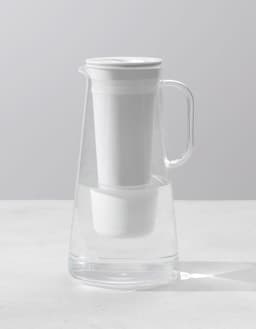
LifeStraw Home 7-Cup
pitcher
$44.95
$126.65/yr filters
Price checked Apr 2026
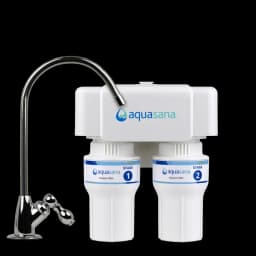
Aquasana Claryum 2-Stage (AQ-6200)
under sink
$124.99
$139.98/yr filters
Price checked Sep 2026
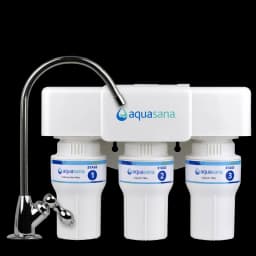
Aquasana Claryum 3-Stage (AQ-6300)
under sink
$174.99
$159.98/yr filters
Price checked Sep 2026
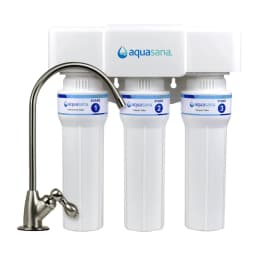
Aquasana Claryum 3-Stage Max Flow (AQ-6300M)
under sink
$224.99
$175.98/yr filters
Price checked Sep 2026
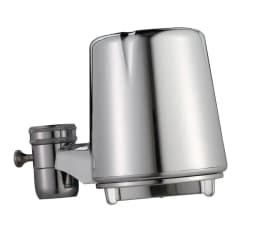
Culligan FM-25
faucet
$35
$102/yr filters
Price checked Apr 2026
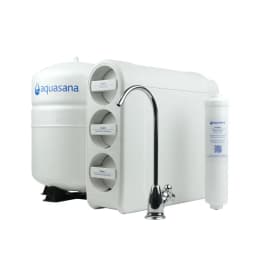
Aquasana SmartFlow Reverse Osmosis
under sink ro
$159.99
$340/yr filters
Price checked Sep 2026
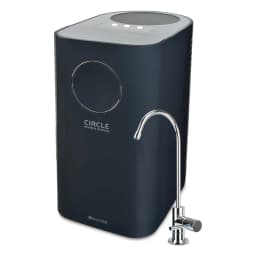
Brondell Circle RC100
under sink ro
$359.99
$205/yr filters
Price checked Apr 2026
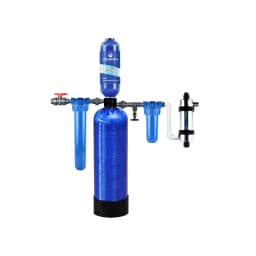
Aquasana Rhino Well Water with UV
whole house
$1749
$248/yr filters
Price checked Sep 2026
Official Sources
Related Contaminants
Learn More
Check if Cryptosporidium & Giardia (Cysts) is in your water
Enter your ZIP code to see local water quality data and get matched with the right filter.
Enter Your ZIP Code →Informational guidance based on EPA data and NSF standards - not medical advice.