Chloramine
Category: disinfectant
EPA MCL
4 mg/L
Status
EPA Regulated
NSF Standard
NSF/ANSI 42
Health Effects
Eye and nose irritation, stomach discomfort, and anemia at levels above the MRDL. Toxic to fish and aquatic life - aquarium owners must treat chloraminated water. Harder to remove than free chlorine.
Where It Comes From
Formed by combining chlorine with ammonia. Used as a secondary disinfectant because it is more stable than free chlorine and maintains residual throughout the distribution system with fewer disinfection byproducts.
Where It's Commonly Found
Used by approximately 20–30% of U.S. water systems, including many large utilities (Washington D.C., San Francisco, Denver, Portland). Growing in adoption as utilities seek to reduce DBP formation.
Intentionally present in 20–30% of U.S. public water systems. Regulated as a Maximum Residual Disinfectant Level (MRDL). The MRDL of 4.0 mg/L is rarely exceeded.
How to Remove It
Effective Technologies
- activated carbon
- carbon block
- reverse osmosis
Does NOT Remove It
- UV
- ion exchange
- KDF
- ceramic
- mechanical filtration
Filters That Address Chloramine
8 filters in our database list Chloramine reduction.
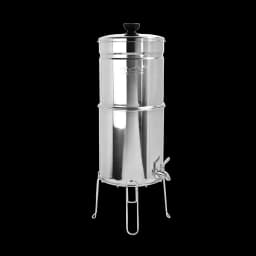
ProOne Big+
gravity
$183.96
$126.32/yr filters
Price checked Apr 2026
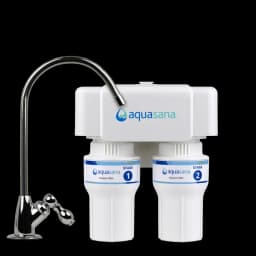
Aquasana Claryum 2-Stage (AQ-6200)
under sink
$124.99
$139.98/yr filters
Price checked Sep 2026
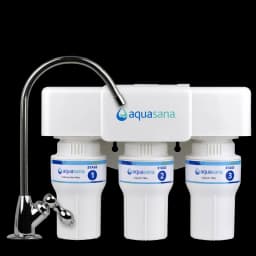
Aquasana Claryum 3-Stage (AQ-6300)
under sink
$174.99
$159.98/yr filters
Price checked Sep 2026
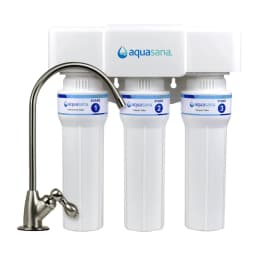
Aquasana Claryum 3-Stage Max Flow (AQ-6300M)
under sink
$224.99
$175.98/yr filters
Price checked Sep 2026
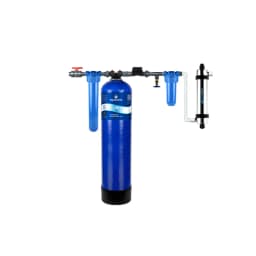
Aquasana HealthShield with Max Flow UV
whole house
$2898
Price checked Sep 2026
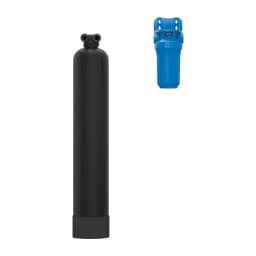
SpringWell CF1
whole house
$810
$40/yr filters
Price checked Apr 2026
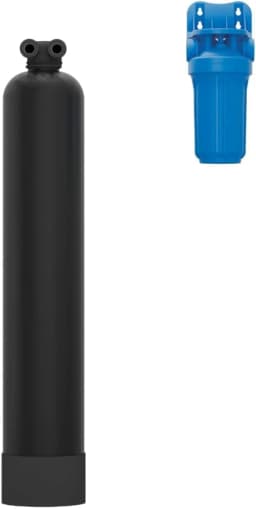
SpringWell CF4
whole house
$1020
$40/yr filters
Price checked Apr 2026
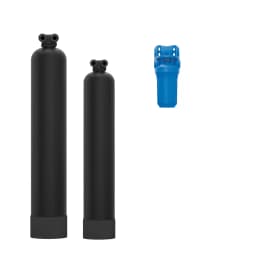
SpringWell CSF1 Combo
whole house
$1597
$40/yr filters
Price checked Apr 2026
Official Sources
Related Contaminants
Learn More
Check if Chloramine is in your water
Enter your ZIP code to see local water quality data and get matched with the right filter.
Enter Your ZIP Code →Informational guidance based on EPA data and NSF standards - not medical advice.