Atrazine
Category: organic
EPA MCL
0.003 mg/L
Status
EPA Regulated
NSF Standard
NSF/ANSI 53
Health Effects
Cardiovascular system and reproductive problems with long-term exposure. Associated with hormonal disruption (endocrine disruptor). Some studies link low-level exposure during pregnancy to increased risk of preterm birth. EWG health guideline is 0.1 ppb - 30 times stricter than the EPA MCL.
Where It Comes From
One of the most widely used herbicides in the U.S., primarily for corn and sorghum crops. Runs off from agricultural fields into surface water and can leach into groundwater.
Where It's Commonly Found
Surface water and groundwater in agricultural areas of the Midwest, Great Plains, and Southeast. Peak contamination occurs during spring planting season (April–June). Banned in the European Union since 2004.
Detected in thousands of water systems across agricultural regions. One of the most frequently detected pesticides in U.S. drinking water. Some systems routinely exceed the MCL during peak application season.
How to Remove It
Effective Technologies
- activated carbon
- carbon block
- reverse osmosis
Does NOT Remove It
- UV
- ion exchange
- KDF
- mechanical filtration
- ceramic
Filters That Address Atrazine
1 filters in our database list Atrazine reduction.
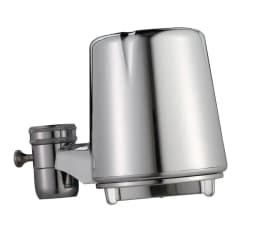
Culligan FM-25
faucet
$35
$102/yr filters
Price checked Apr 2026
Official Sources
Related Contaminants
Learn More
Check if Atrazine is in your water
Enter your ZIP code to see local water quality data and get matched with the right filter.
Enter Your ZIP Code →Informational guidance based on EPA data and NSF standards - not medical advice.