Microplastics
Category: organic
EPA MCL
Not regulated
Status
Unregulated
NSF Standard
No specific NSF standard yet
Health Effects
Emerging area of research. Potential concerns include inflammation, oxidative stress, and toxicity from the plastic particles themselves and from chemical additives/contaminants they carry. Long-term health effects in humans are not yet fully understood.
Where It Comes From
Tiny plastic fragments (<5 mm) from degradation of larger plastics, synthetic textiles (washing), tire wear, personal care products, and industrial processes. Enter water from wastewater treatment plant effluent, stormwater runoff, and atmospheric deposition.
Where It's Commonly Found
Detected in tap water, bottled water, surface water, and groundwater worldwide. Studies have found microplastics in over 80% of tap water samples tested globally. Both public water systems and bottled water contain them.
Currently unregulated. EPA added microplastics as a contaminant group to the draft CCL 6 in April 2026. Federal regulations likely years away. HHS launched a $144M research initiative (STOMP) to develop measurement tools.
How to Remove It
Effective Technologies
- reverse osmosis
- nanofiltration
- mechanical filtration
- distillation
Does NOT Remove It
- activated carbon
- UV
- ion exchange
- KDF
Filters That Address Microplastics
6 filters in our database list Microplastics reduction.
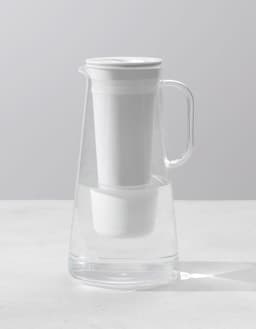
LifeStraw Home 7-Cup
pitcher
$44.95
$126.65/yr filters
Price checked Apr 2026
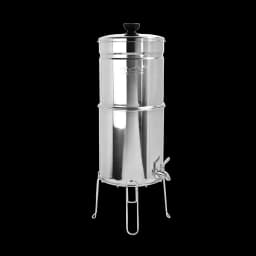
ProOne Big+
gravity
$183.96
$126.32/yr filters
Price checked Apr 2026
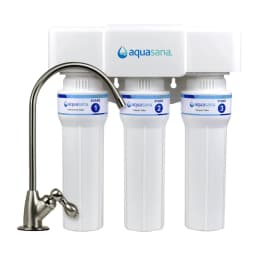
Aquasana Claryum 3-Stage Max Flow (AQ-6300M)
under sink
$224.99
$175.98/yr filters
Price checked Sep 2026
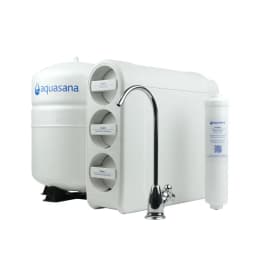
Aquasana SmartFlow Reverse Osmosis
under sink ro
$159.99
$340/yr filters
Price checked Sep 2026
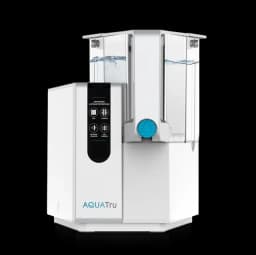
AquaTru Classic
countertop
$545
$114/yr filters
Price checked Sep 2026
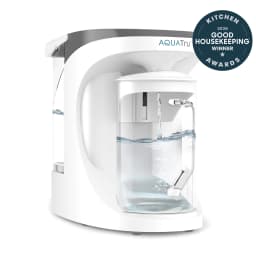
AquaTru Carafe
countertop
$349
$104/yr filters
Price checked Apr 2026
Official Sources
Related Contaminants
Learn More
Check if Microplastics is in your water
Enter your ZIP code to see local water quality data and get matched with the right filter.
Enter Your ZIP Code →Informational guidance based on EPA data and NSF standards - not medical advice.