Pharmaceuticals
Category: organic
EPA MCL
Not regulated
Status
Unregulated
NSF Standard
NSF/ANSI 401 (emerging compounds)
Health Effects
Contaminants of emerging concern. Potential effects include endocrine disruption, antibiotic resistance development, and unknown long-term effects from chronic low-dose exposure to drug cocktails. Concentrations found in drinking water are typically far below therapeutic doses.
Where It Comes From
Enter water supply from human excretion of medications, improper disposal of drugs (flushing), hospital and pharmaceutical manufacturing wastewater, and agricultural use of veterinary drugs. Most water treatment plants are not designed to remove pharmaceuticals.
Where It's Commonly Found
Detected at trace levels (ng/L to low µg/L) in source water and finished drinking water worldwide. More concentrated downstream from wastewater treatment plant discharges and near pharmaceutical manufacturing facilities.
Currently unregulated. EPA added pharmaceuticals as a contaminant group to the draft CCL 6 in April 2026. Detected in trace amounts in the majority of U.S. water supplies tested. Federal regulation is likely years away.
How to Remove It
Effective Technologies
- activated carbon
- carbon block
- reverse osmosis
- nanofiltration
Does NOT Remove It
- UV
- ion exchange
- KDF
- mechanical filtration
- ceramic
Filters That Address Pharmaceuticals
2 filters in our database list Pharmaceuticals reduction.
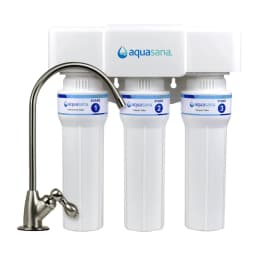
Aquasana Claryum 3-Stage Max Flow (AQ-6300M)
under sink
$224.99
$175.98/yr filters
Price checked Sep 2026
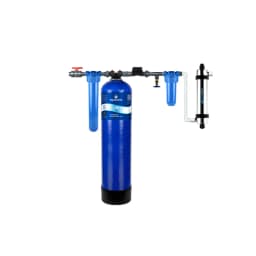
Aquasana HealthShield with Max Flow UV
whole house
$2898
Price checked Sep 2026
Official Sources
Related Contaminants
Learn More
Check if Pharmaceuticals is in your water
Enter your ZIP code to see local water quality data and get matched with the right filter.
Enter Your ZIP Code →Informational guidance based on EPA data and NSF standards - not medical advice.