Hydrogen Sulfide (Rotten-Egg Smell)
Category: inorganic
A rotten-egg or sulfur smell from your tap is hydrogen sulfide gas dissolved in the water. At the levels typical of well water it's a nuisance, not a health hazard, and there's no EPA limit for it. The fastest way to narrow the cause is one question: does the smell come from the hot water only, or from both hot and cold?
EPA MCL
Not regulated
Status
Unregulated
NSF Standard
NSF/ANSI 42 (taste & odor)
Health Effects
Hydrogen sulfide in water is a nuisance issue, not a known health risk at the low concentrations typically found in wells — it makes water smell and taste like rotten eggs. There is no EPA drinking-water limit for it. A separate safety note: hydrogen sulfide GAS that collects in an enclosed, poorly ventilated space such as a well pit or sealed basement can be hazardous at high concentration.
Where It Comes From
Usually produced by sulfate-reducing bacteria (harmless to drink) acting on sulfur in groundwater, or by decaying organic matter and sulfur-bearing minerals. A telling exception: if the smell is in HOT water only, it usually comes from a reaction with the water heater's magnesium anode rod, not the source water.
Where It's Commonly Found
Private wells and groundwater. When the odor appears only in hot water, the water heater is the likely source; when it's in both hot and cold, the well or source water is.
A very common private-well complaint. Private wells are not regulated under the Safe Drinking Water Act, so testing and treatment are the owner's responsibility.
How to Remove It
Effective Technologies
- oxidation filtration
- activated carbon
- carbon block
Does NOT Remove It
- UV
- water softener
- ion exchange
- mechanical filtration
Hot water only? It's probably your water heater
If the rotten-egg smell appears only in HOT water, the most common cause is a reaction between sulfur in the water and the magnesium anode rod inside your water heater — not the well itself. This is a cheap, contained fix: a plumber can replace the standard magnesium anode rod with an aluminum/zinc or powered anode, which usually stops the smell. Flushing and disinfecting the tank can help temporarily.
If the smell is in BOTH hot and cold water, the hydrogen sulfide is coming from your source water or well, and you'll treat it at the point of entry instead.
Is hydrogen sulfide in water dangerous?
As a drinking-water issue, no — hydrogen sulfide at the low concentrations found in most wells causes no known health effects; it's an odor and taste nuisance. Because the smell is detectable at very low concentrations (around 0.5 mg/L), people typically stop drinking it long before it could reach a harmful level. It can, however, corrode plumbing and tarnish silverware and copper.
The one real safety caveat is about the gas, not the water: hydrogen sulfide gas that collects in an enclosed, unventilated space — a well pit, a sealed basement, a confined tank — can be hazardous at high concentration. If you ever smell strong sulfur gas in such a space, ventilate it and treat it as a confined-space hazard rather than a plumbing annoyance.
How to remove it from your source water
Treatment scales with the concentration. For low levels (roughly under 1 mg/L), an activated-carbon filter can adsorb the odor. For moderate levels (up to about 6 mg/L), oxidizing filtration — air injection or manganese greensand — converts the dissolved gas to filterable sulfur and traps it. For high levels (above about 6 mg/L), continuous chlorination, aeration, or ozonation followed by filtration is the reliable approach.
Because sulfate-reducing bacteria are often involved, shock-chlorinating the well can give temporary relief and helps confirm the cause. Hydrogen sulfide frequently travels with iron and manganese, so an oxidation-filtration system sized for all three is often the efficient whole-house solution. Verify any filter's odor-reduction claim against its NSF/ANSI 42 certification.
Testing and next steps
Hydrogen sulfide off-gasses quickly, so it must be tested either with a field kit at the tap or by a lab using a properly preserved sample — a standard mailed sample can read falsely low. Test for hydrogen sulfide along with iron, manganese, sulfate, and pH, since they interact and determine which treatment works. Our well-water planner and whole-house sizing tool can help you scope a system once you know your levels.
Frequently Asked Questions
Why does my water smell like rotten eggs?
That smell is hydrogen sulfide gas dissolved in the water, usually produced by harmless sulfate-reducing bacteria or sulfur in groundwater. If it's only in the hot water, the cause is most often the water heater's magnesium anode rod reacting with the water, not the well itself.
Is it safe to drink water that smells like sulfur?
At the low levels typical of well water, hydrogen sulfide is a nuisance odor rather than a known health hazard, and there's no EPA drinking-water limit for it. Most people stop well before any harmful level because the smell is so noticeable. The separate real hazard is hydrogen sulfide gas building up in an enclosed, unventilated space like a well pit — that should be treated as a confined-space risk.
Why does only my hot water smell like rotten eggs?
A hot-water-only sulfur smell almost always comes from the water heater — specifically a reaction between sulfur in the water and the heater's magnesium anode rod. Replacing it with an aluminum/zinc or powered anode rod usually fixes it, often for far less than a whole-house treatment system.
How do I get rid of the sulfur smell in my well water?
For source-water sulfur in both hot and cold, match treatment to the level: activated carbon for low levels, oxidation filtration (air injection or greensand) for moderate levels, and continuous chlorination or aeration plus filtration for high levels. Shock-chlorinating the well helps with bacterial sulfur. For a hot-water-only smell, change the water-heater anode rod instead.
Will a water softener remove the rotten-egg smell?
Not reliably. A standard cation-exchange softener removes hardness, not dissolved hydrogen sulfide gas, so it won't fix a sulfur smell on its own. Removing hydrogen sulfide takes carbon (low levels) or oxidation plus filtration (higher levels), which are often paired with a softener rather than replaced by it.
Cited Sources
- Private Drinking Water Wells — U.S. EPA
- Hydrogen Sulfide (Rotten Egg Odor) in Water Wells (WQ-11) — Purdue University Extension
- Hydrogen Sulfide and Sulfur Bacteria in Well Water — Minnesota Department of Health
- NSF/ANSI 42, 53 and 401: Filtration Systems Standards — NSF
Filters That Address Hydrogen Sulfide (Rotten-Egg Smell)
2 filters in our database list Hydrogen Sulfide (Rotten-Egg Smell) reduction.
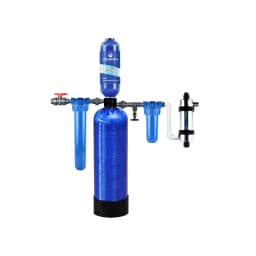
Aquasana Rhino Well Water with UV
whole house
$1749
$248/yr filters
Price checked Sep 2026
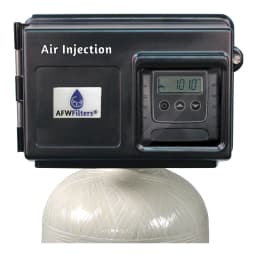
AFWFilters AIS10-25SXT
whole house
$1399
Price checked Sep 2026
Official Sources
Related Contaminants
Learn More
Check if Hydrogen Sulfide (Rotten-Egg Smell) is in your water
Enter your ZIP code to see local water quality data and get matched with the right filter.
Enter Your ZIP Code →Informational guidance based on EPA data and NSF standards - not medical advice.